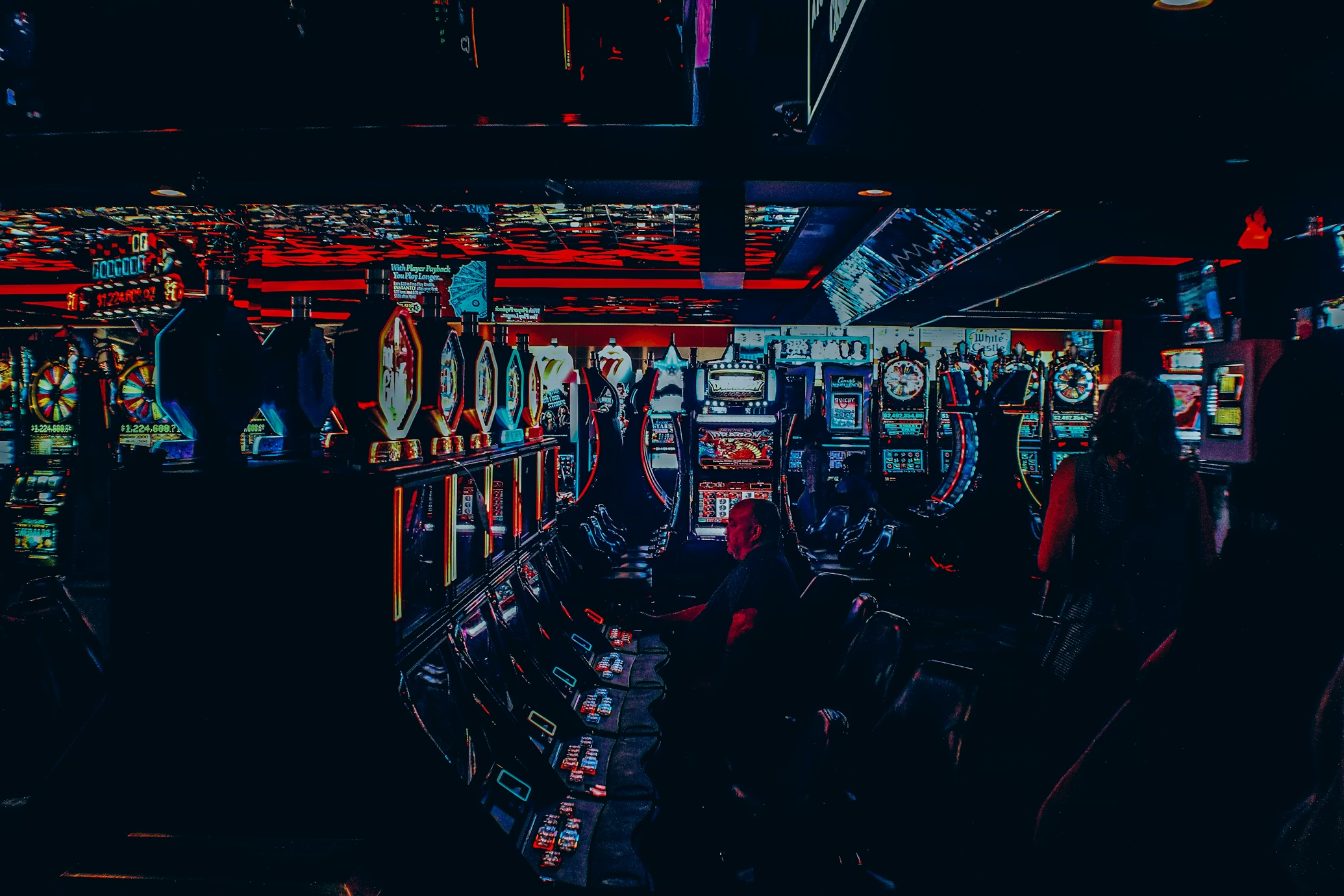
Online casinos and fine art now share more space than ever before. What once belonged exclusively to galleries and museums now shapes digital gaming environments, directly influencing player engagement, retention, and behavior.
This partnership has created a hybrid space where entertainment and visual culture overlap. The shift is impactful: nearly 70% of online casino players report that visual design and themes influence their choice of games. Art is no longer an optional aesthetic choice; it is a strategic tool for modern gambling platforms.
How Fine Art Became a Core Design Language
Online casino games, including those recommended by leading reviewers like https://pl.polskiesloty.com/europejskie-kasyna-online/, borrow directly from fine art styles. Developers increasingly use impressionism, pop art, surrealism, and geometric abstraction as visual frameworks.
This is a structured design strategy to guide player interaction. Research into casino aesthetics links warm tones like red and gold with excitement, while cooler tones tend to extend playtime by creating a calmer atmosphere. Game interfaces often mimic gallery layouts, placing symbols like curated exhibits and ensuring animations follow rhythmic patterns inspired by kinetic art installations.
Casino Screens Now Function Like Digital Exhibitions
Modern online casinos are closer to digital galleries than traditional gaming platforms. Modern slot games feature animated canvases and layered visual storytelling, with some titles using rotating art-inspired themes to refresh their entire visual identity.
In a saturated market where thousands of games launch annually, visual storytelling has become a primary retention tool. A unique visual identity is often the deciding factor in whether a player clicks on a title or scrolls past it.
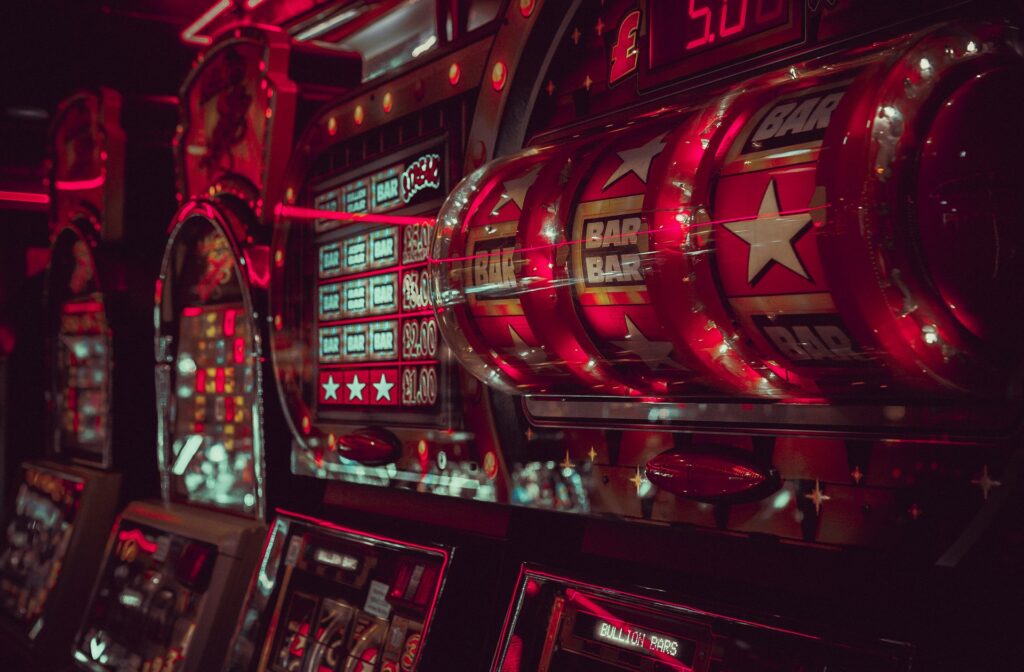
Artistic Influence Improves Player Engagement
The connection between fine art and engagement is rather behavioral than abstract. Visual complexity is a great tool for casino environments to extend session time. For instance, gambling design studies show that sensory stimulation reduces awareness of time and increases engagement cycles.
Moreover, fine art-inspired design user interaction in online casinos via a range of features. Layered animation effects stimulate depth, while color transitions trigger emotional responses. Also, symbol-heavy layouts encourage exploration, just like museum curations trigger interactions and curiosity among visitors.
Digital Artists and Casino Studios
Moreover, digital artists now collaborate with game developers to design entire casino experiences. Their services cover a range of services, including background environments, character design, and thematic architecture.
Elsewhere, casino platforms integrate gallery-style sections where players can explore art during gaming. These hybrid environments blur the line between entertainment and exhibition in a way that appeals to the user’s interests.
Market Growth Drives Artistic Investment
The scale of online gambling explains why investment in design has increased. The global online gambling sector, which was valued at over $80 billion recently, is even bound to grow rapidly as mobile access expands.
Meanwhile, the global casino gaming revenue is projected to exceed $217,655.4 million by 2033 in the broader gambling market. With such massive revenue increase, even smaller improvements in engagement design can generate significant returns for operators. That’s why studios spend more on visual development teams in a way that reconsiders art as a performance asset, rather than a creative afterthought.
Art Styles Influence Player Psychology
Fine art principles are used to create a harmonious and comfortable environment for players. Abstract patterns spark curiosity, while symmetrical designs build a sense of reliability and balance. These elements are woven into the interface to ensure that the player feels engaged and inspired by the visual surroundings.
Artistic pacing also plays a role in enhancing enjoyment. Smooth visual transitions create a relaxed atmosphere for longer sessions, while vibrant, high-energy art styles add an extra layer of excitement during special bonus features.
Museum Culture and Gambling Aesthetics Converge
The influence between both industries is not one-directional. Museums and digital art spaces are adopting the interactive technology common in gaming platforms, while game lobbies adopt exhibition-style layouts.
Such convergence creates a shared visual language, one that demonstrates shared immersion, storytelling, and emotional pacing. For online casinos, this overlap becomes handy as players commonly associate artistry with premium experiences.
Final Thoughts
The relationship between art and gambling will only deepen. We are seeing more interactive gallery features and AI-generated art making high-quality content production more accessible. As the industry evolves, players can expect increasingly sophisticated visual environments to support their gaming experience.